The Worst Labor Day Fire Ever:
Shrub-Steppe, Wildfires, and Wildlife
by Kim Thorburn
Shrub-steppe is a predominant ecosystem of the arid West. It is rich in biodiversity. Fire is a cyclic dynamic of these biologic communities that formerly contributed to their health. For more than a century, human activities and development have altered the shrub-steppe, causing considerable impacts to wildlife. Altered fire behavior is one of the threats.
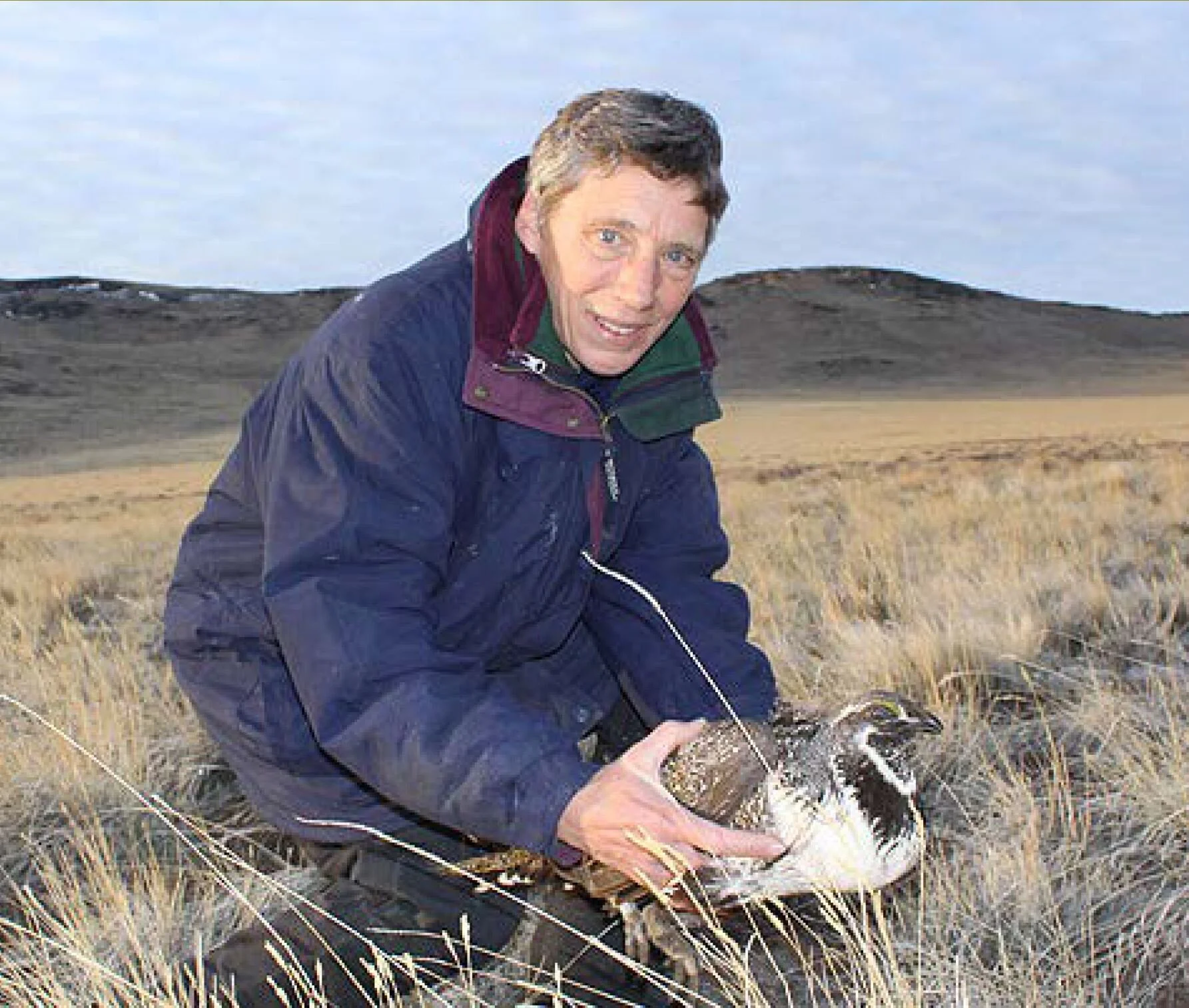
Kim reintroducing grouse. Photo by Jason Lowe, BLM.
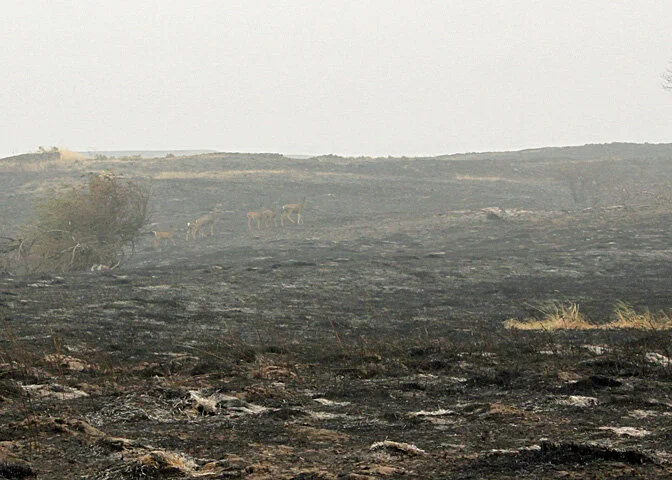
On September 7, 2020, extreme weather conditions, including drought, high temperatures, and strong winds, contributed to multiple explosive wildfires throughout the shrub-steppe of Washington. Erratic fire behavior challenged containment and large swaths of shrub-steppe incinerated, including public lands managed for wildlife habitat. A history of wildlife management, fire consequences, and plans going forward will be discussed.
Spokane Audubon member, Kim Thorburn, has volunteered on Washington Department of Fish and Wildlife and Bureau of Land Management projects related to shrub-steppe wildlife conservation for nearly two decades. Along with Lindell Haggin, she coordinates Spokane Audubon’s state grant-funded program that supports prairie grouse recovery volunteer activities. She is a member of the Washington Fish and Wildlife Commission.
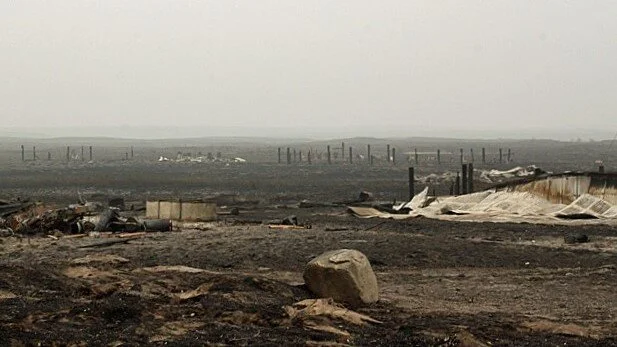
Barn at Swanson Lakes Wildlife Area after the wildfire. Photo by Kim Thorburn.


