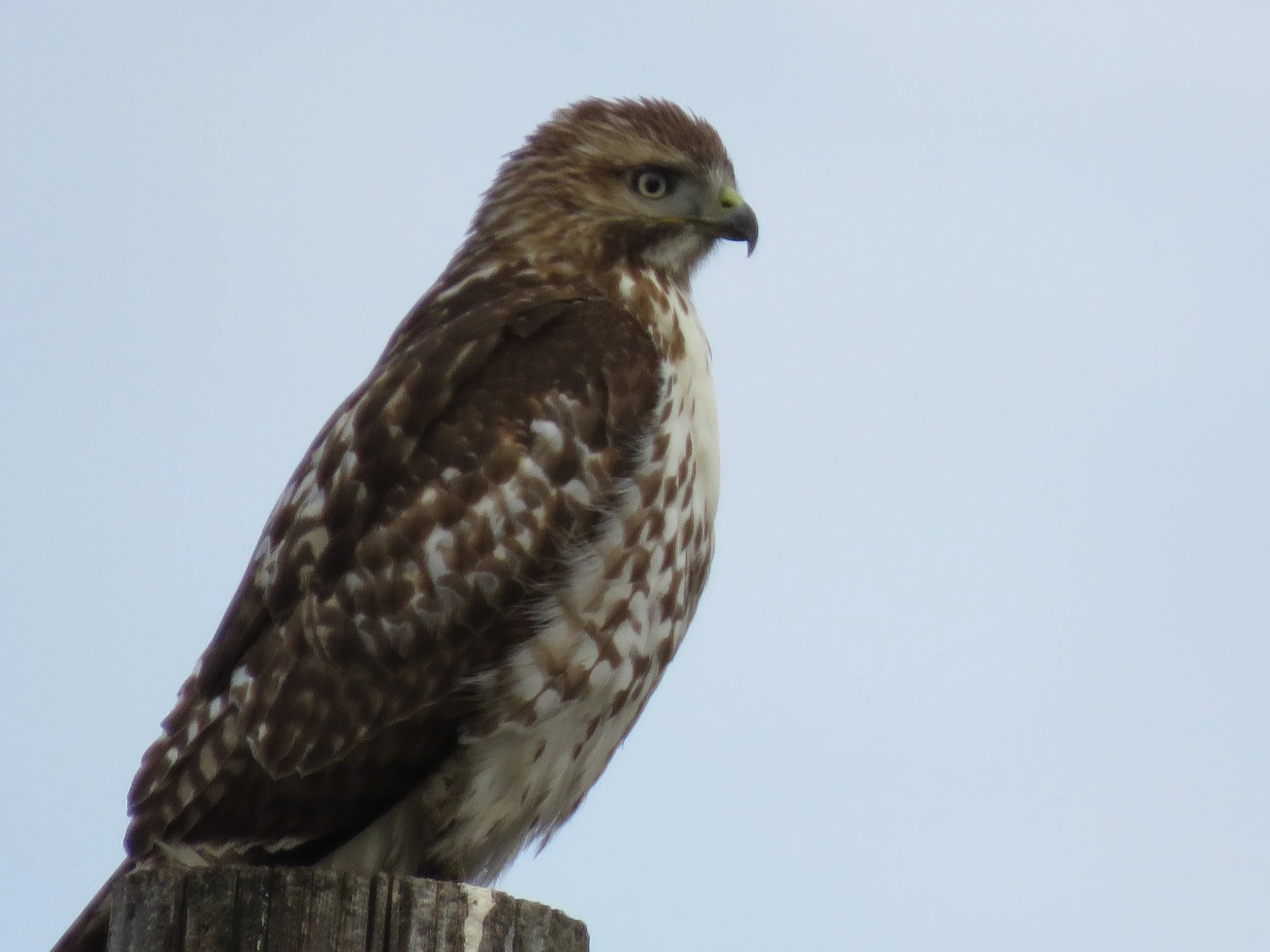
Spokane Audubon’s Save-A-Bird team is becoming well known in Eastern Washington as the go-to group for bird conservation and rescue. Sara Callan-Boggs, a member of the Save-A-Bird group, was contacted by Fairchild Airforce Base recently, to coordinate removing a red-tailed hawk nest. The nest was on top of a light tower on the airfield and had been monitored by base staff over the winter and early spring. When a hawk began exhibiting nesting behavior and become territorial near the nest, a biologist was assigned the task of getting up to the tall nest and looking in, but luckily it did not contain any eggs or chicks. The nest was removed to make a safe flightline, both to protect Air Force training and mission operations and the hawks.
A USDA biologist contacted Callan-Boggs through Tina Penny, a military veteran and a past Save-A-Bird team member. The USDA works with the BASH (Bird/Wildlife Aircraft Strike Hazard) program, which partners with the Department of Defense on safety for both pilots and birds.
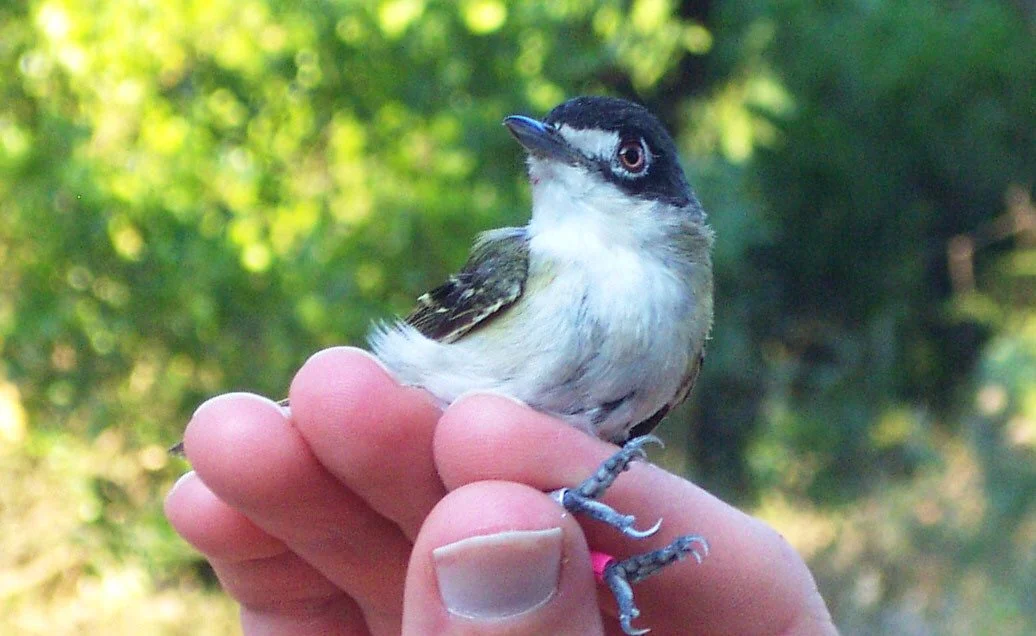
This incident led me to wonder just how our local Airforce base is directed to deal with wildlife issues. Many moons ago, when my husband Jim and I lived in Texas and worked for the Nature Conservancy, a large non-profit conservation organization, we had some dealings with Fort Hood Army base near Killeen. There were two endangered bird species on that base, located in Central Texas. As I recall, the base kept offices and workspaces for employees of The Nature Conservancy, that worked on studying and protecting those birds, the Golden-cheeked Warbler and the Black-capped Vireo.
The Department of Defense manages almost 30 million acres of land on over 300 military installations and are largely protected from development. These lands, therefore, support the preservation of many different ecosystems, from old-growth forests to tall-grass prairies, coastal beaches, and wetlands making military installations a vital part of the conservation of birds, other wildlife and plants, some of which are rare or endangered.
The law that directs these conservation efforts is The Sikes Act, which was enacted into law in 1960. It provides for cooperation by the Department of Defense and the Interior Department with state agencies, such as Washington Department of Fish and Wildlife. These partnerships plan, develop and maintain fish and wildlife resources on military reservations throughout the United States. Multiple wildlife agencies and non-profits partner with the various military installations to do important wildlife management. The Sikes Act is written so that conservation activities are promoted while allowing military lands to continue to meet the needs of military operations.
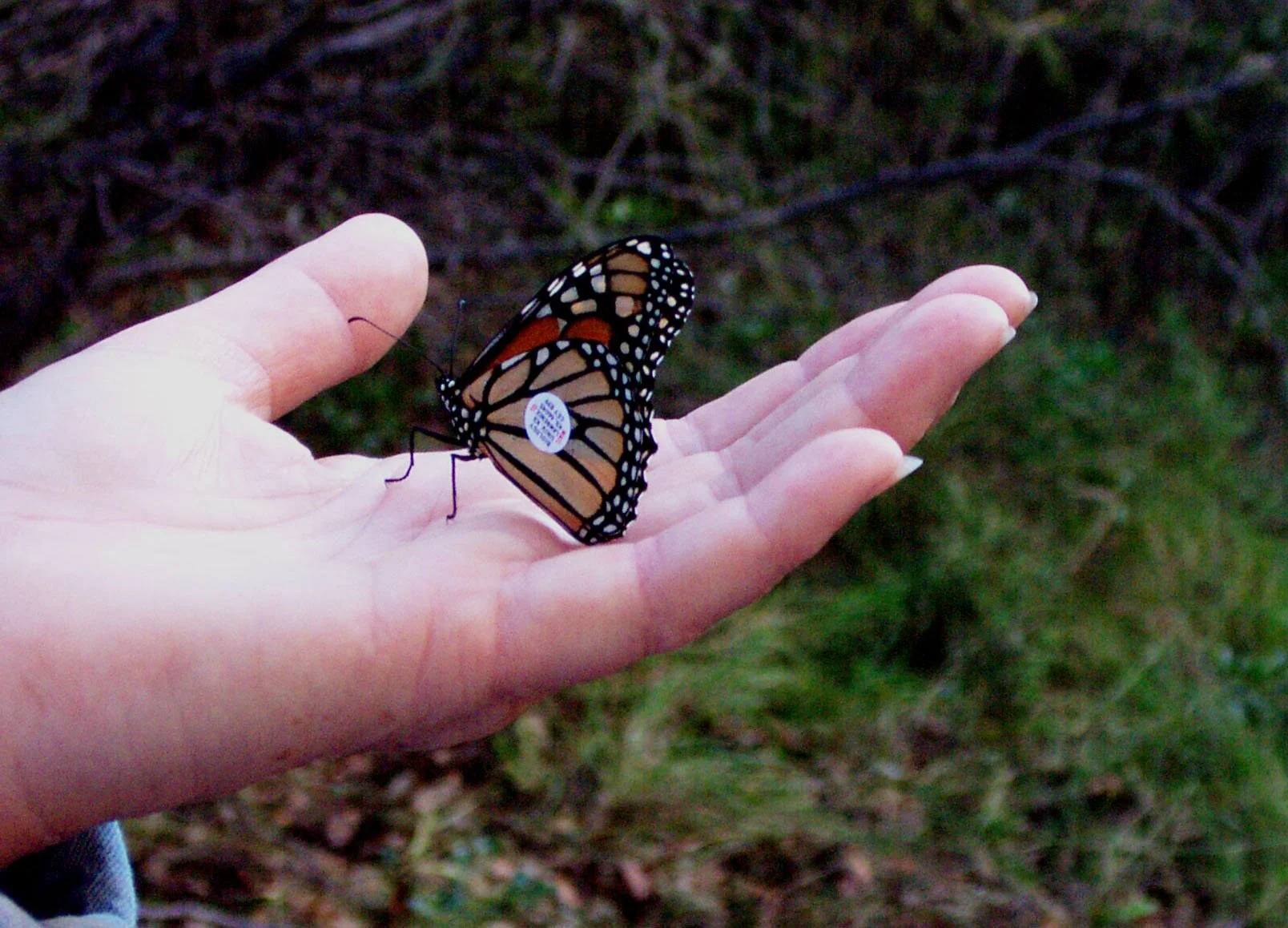
In my recent research, I discovered that Fort Hood, back in my old home state, not only works on protecting Black-capped vireos and Golden-cheeked warblers, but they also have a monarch butterfly tagging program and have tagged nearly 10,000 monarchs since 2017! During their fall migration, monarchs funnel right through central Texas and many of them stop to rest on the protected lands on Fort Hood Army Base.
On looking at Fairchild Airforce Base’s website, I learned that they are also committed to protecting natural resources. The base contains approximately 200 acres of wetlands, over 80 different bird species, and numerous mammals. The base has established a protected area for the federally threatened Spalding's Catchfly plant. They are “committed to environmental stewardship of all training locations, ensuring training can occur while adhering to all applicable environmental laws and regulations.”
I was pleasantly surprised to learn about the Sikes Act and BASH and the fact that these huge tracts of government land are not only important to our country’s safety and security, but also a haven for wildlife and an important component of conservation, nationwide.


