
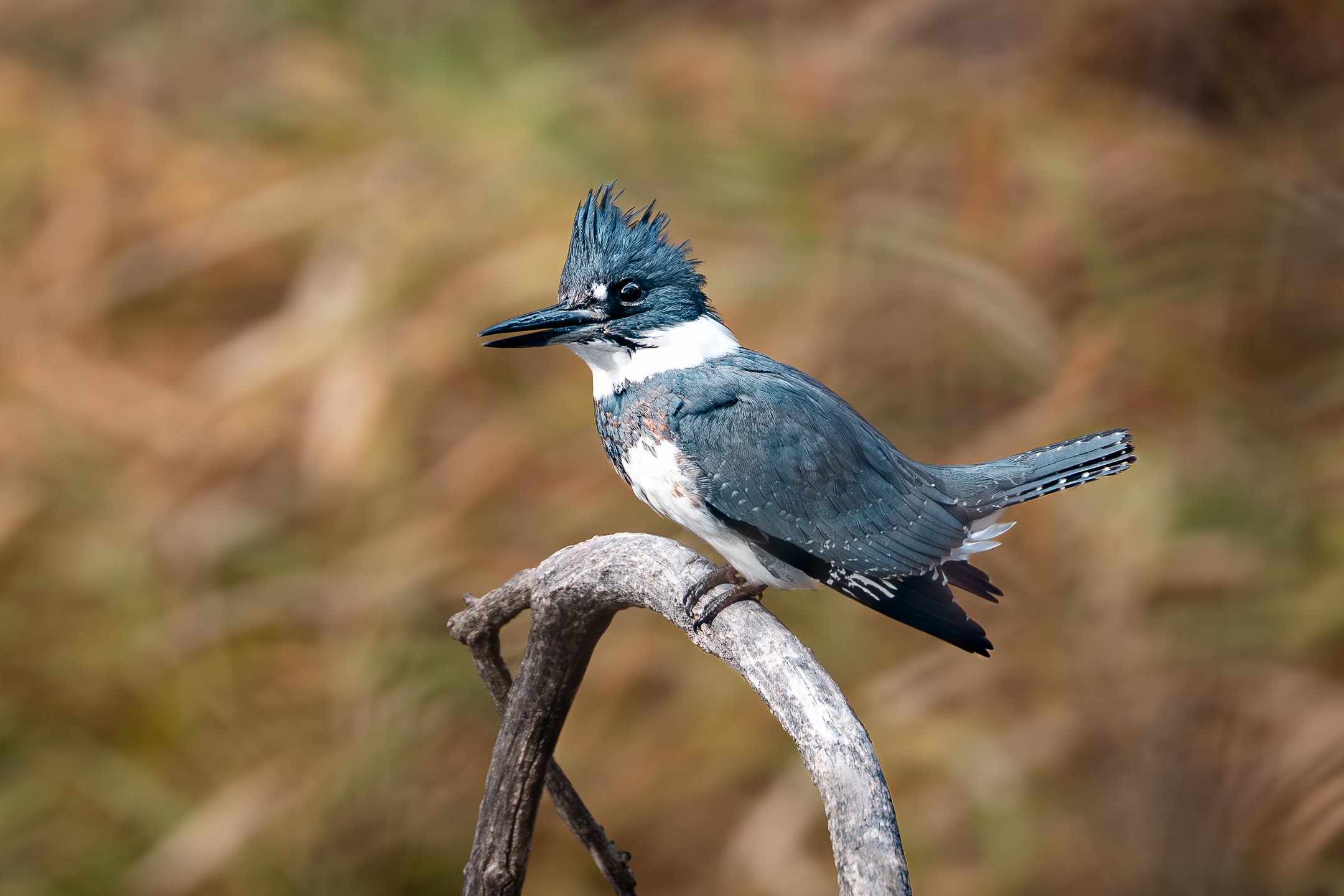
As a bird photographer, I’m often asked how I manage to capture such close, intimate portraits of birds that are naturally wary of people. A fellow birder recently encouraged me to share my process, because while viewers see the final image — a sharp eye, a relaxed posture, a bird going about its day — what they don’t see is the quiet, careful setup behind the scenes.
The truth is, my approach isn’t just about getting a better photo. It’s also about reducing my presence so the birds can live their lives with as little disturbance as possible.
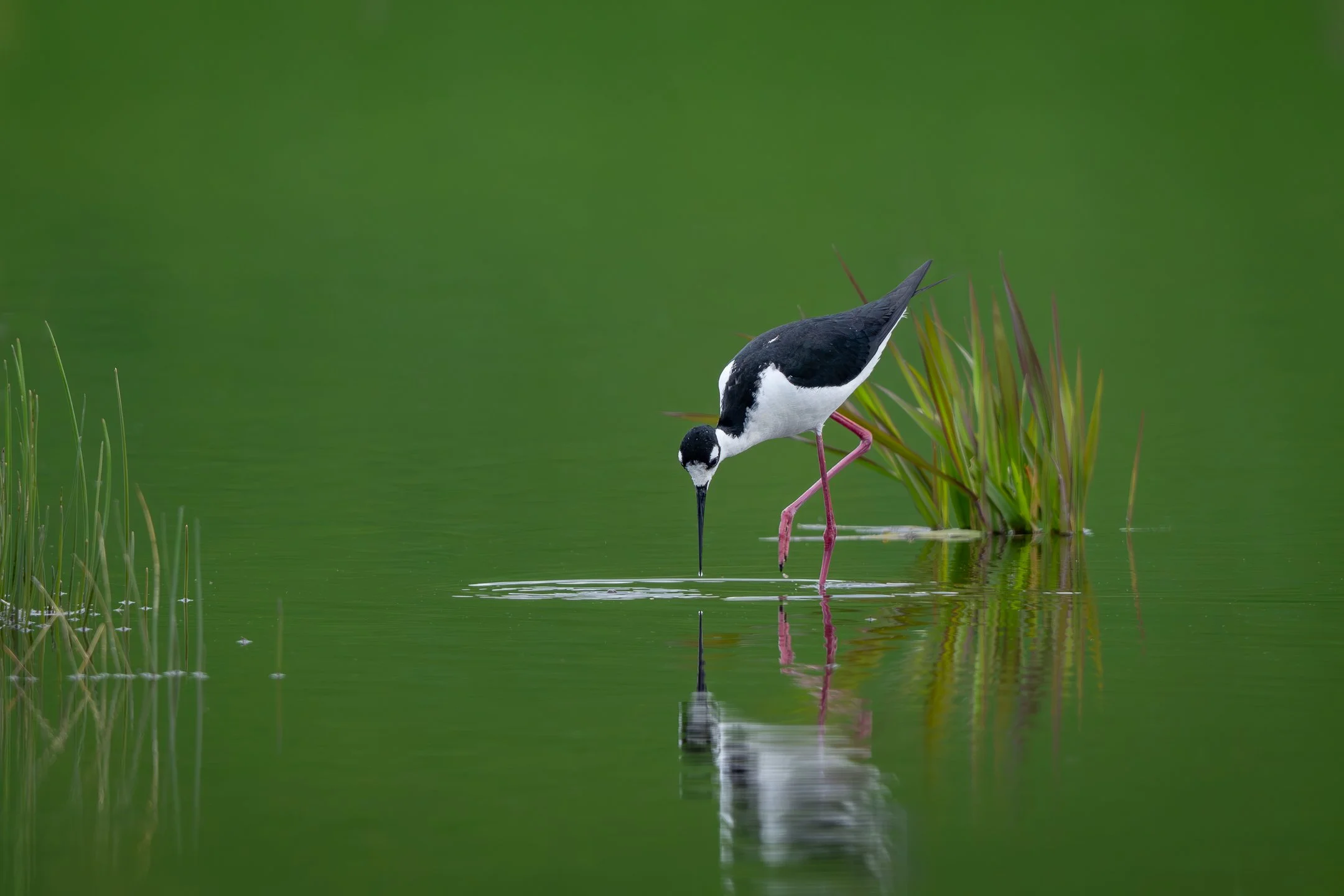
The Ethics Behind Eye Contact
Photographers love eye contact — it creates a sense of connection and can elevate an image from ordinary to compelling. But in the wild, eye contact means something very different. When a bird locks eyes with you, it’s often evaluating whether you’re a predator.
Even the camera lens can resemble a large, unblinking eye.
That’s why I avoid staring directly at birds when I’m not concealed, and why I often rely on blinds. They soften my presence, reduce stress on the birds, and allow them to decide how close they feel comfortable coming. I also use my camera’s silent shutter mode. Birds hear far better than we do, and the repetitive click of a shutter can be enough to break their sense of safety, interrupting their natural behavior.
Why Blinds Make Better Photos (and Happier Birds)
When birds don’t know you’re there, everything changes. They forage, preen, squabble, sing, and hop far closer than they ever would if they sensed a human nearby. Some of my favorite images — the ones where the bird looks completely at ease — were taken from inside a blind. But more importantly, those moments happened because the bird wasn’t forced to alter its behavior in response to me. It’s a win‑win: the birds stay relaxed, and you get to witness behavior you’d never see if you were standing in the open.
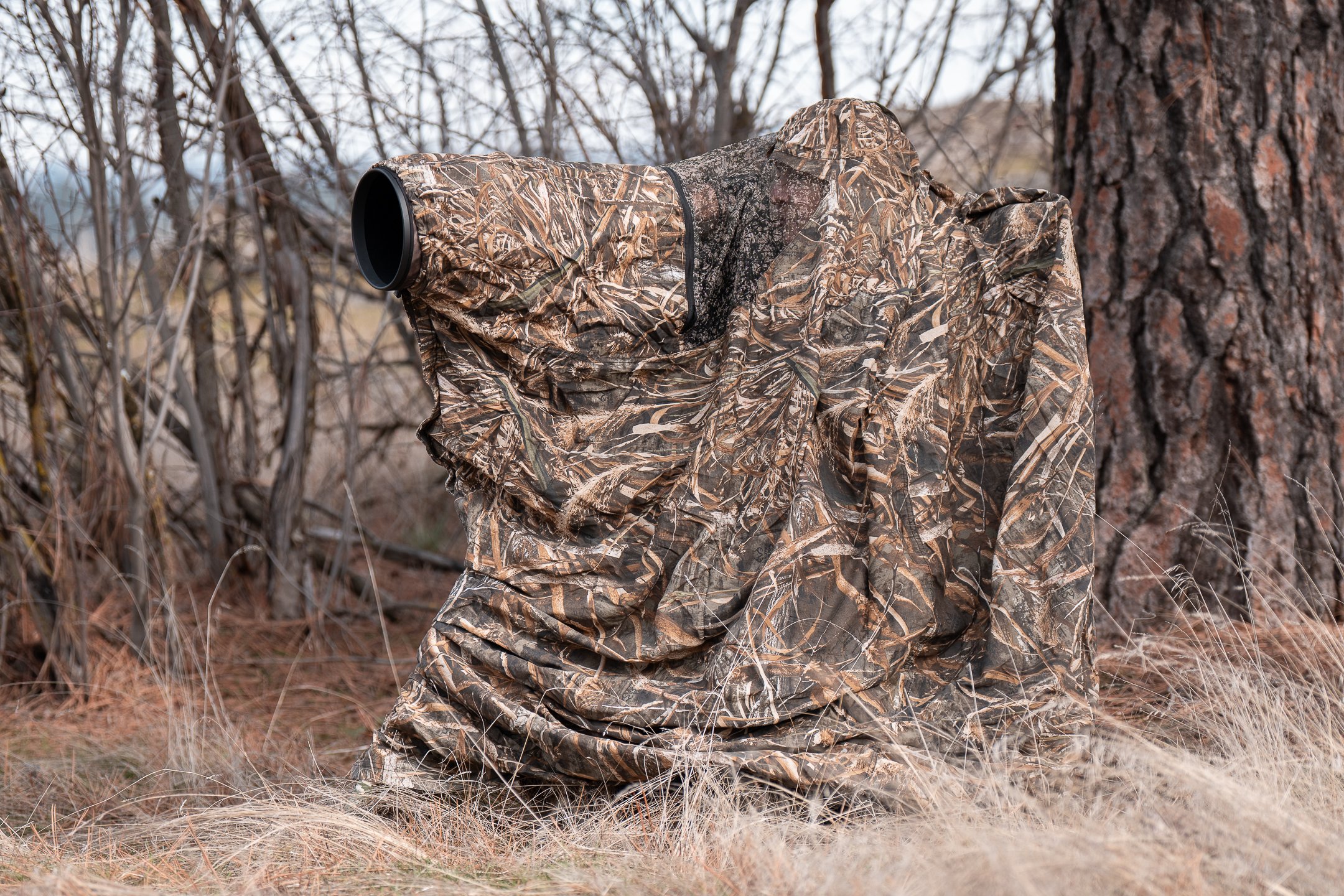
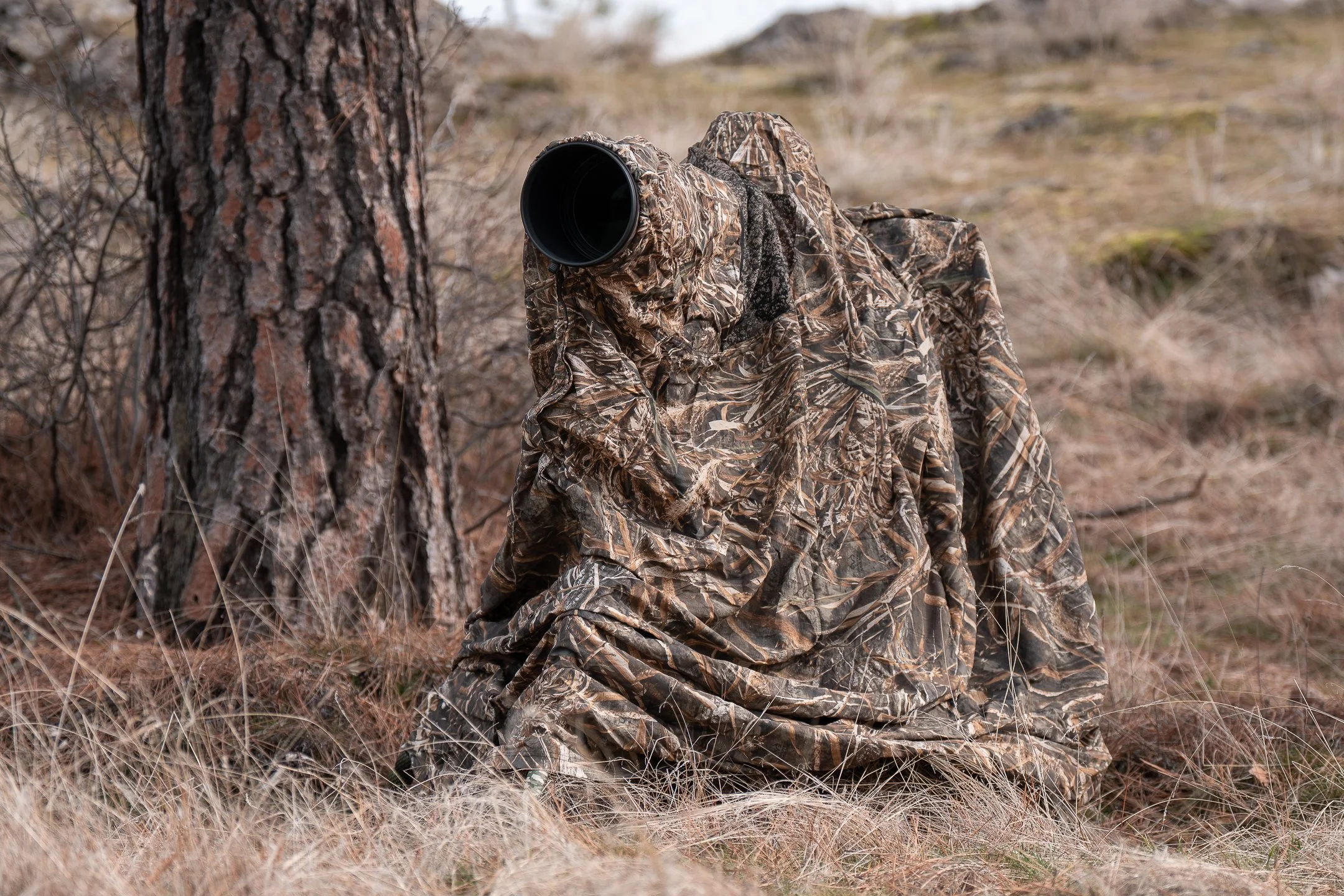
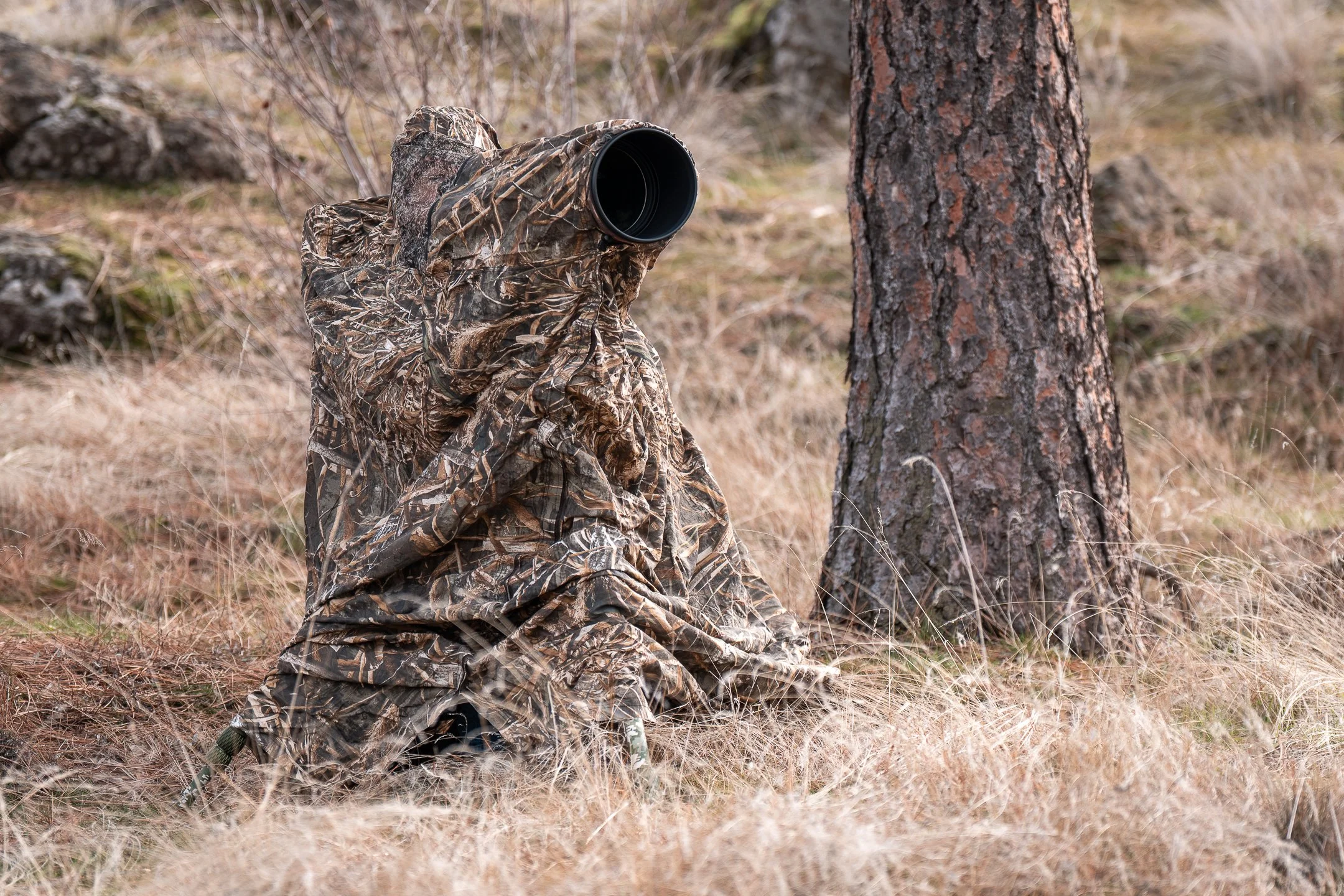
My Lightweight, Low‑Tech Setup
People often assume blinds are bulky or complicated, but mine is simple, portable, and easy to carry into the field without trampling habitat or drawing attention.
Here’s what I use:
A piece of cardboard to create a dry, stable base that protects both me and the ground beneath.
A tripod with a long lens so I can maintain a respectful distance while still capturing detail.
A small camp chair or a pad on the ground — whichever puts me at eye level with my subjects.
A LensCoat camouflage cover with a mesh viewing window and a small portal for the lens.
It’s a humble setup, but it allows me to blend into the environment and give the birds the space they deserve.
A Final Thought
Using a blind isn’t just a technique; it’s a conservation‑minded choice. It’s a way of saying: I’m here to observe, not to intrude. When we minimize our presence, we protect the birds’ well‑being and gain the privilege of witnessing their world as it truly is — calm, natural, and beautifully unguarded.


