Last fall, Spokane Audubon Society was awarded an Audubon in Action grant from the National Audubon Society for a project proposal that directly supports Flight Plan, Audubon’s strategic plan to “bend the bird curve” and slow the precipitous decline of bird populations observed over the last 50 years. That same week we also learned the project received support from the Avista Foundation.
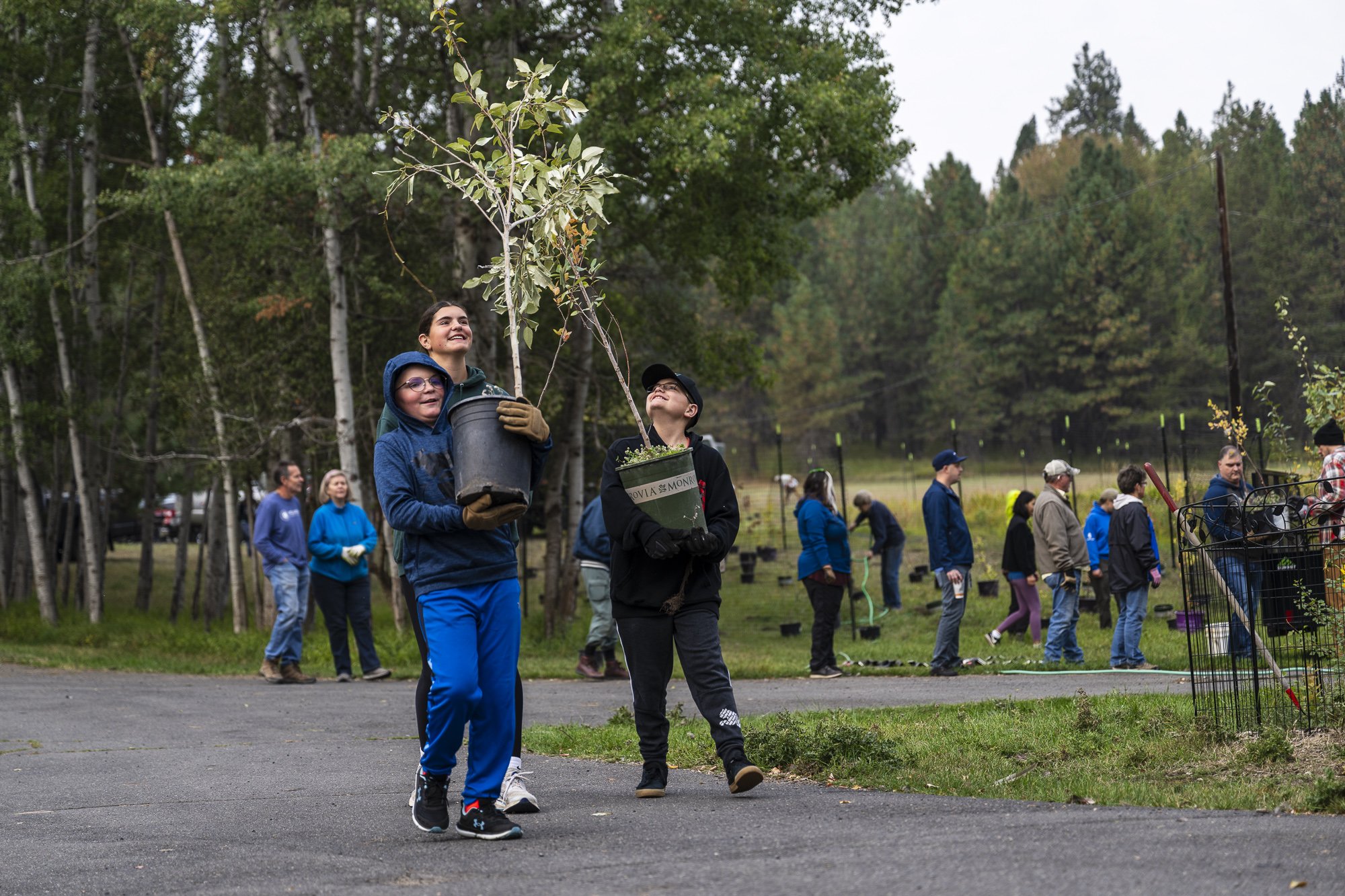
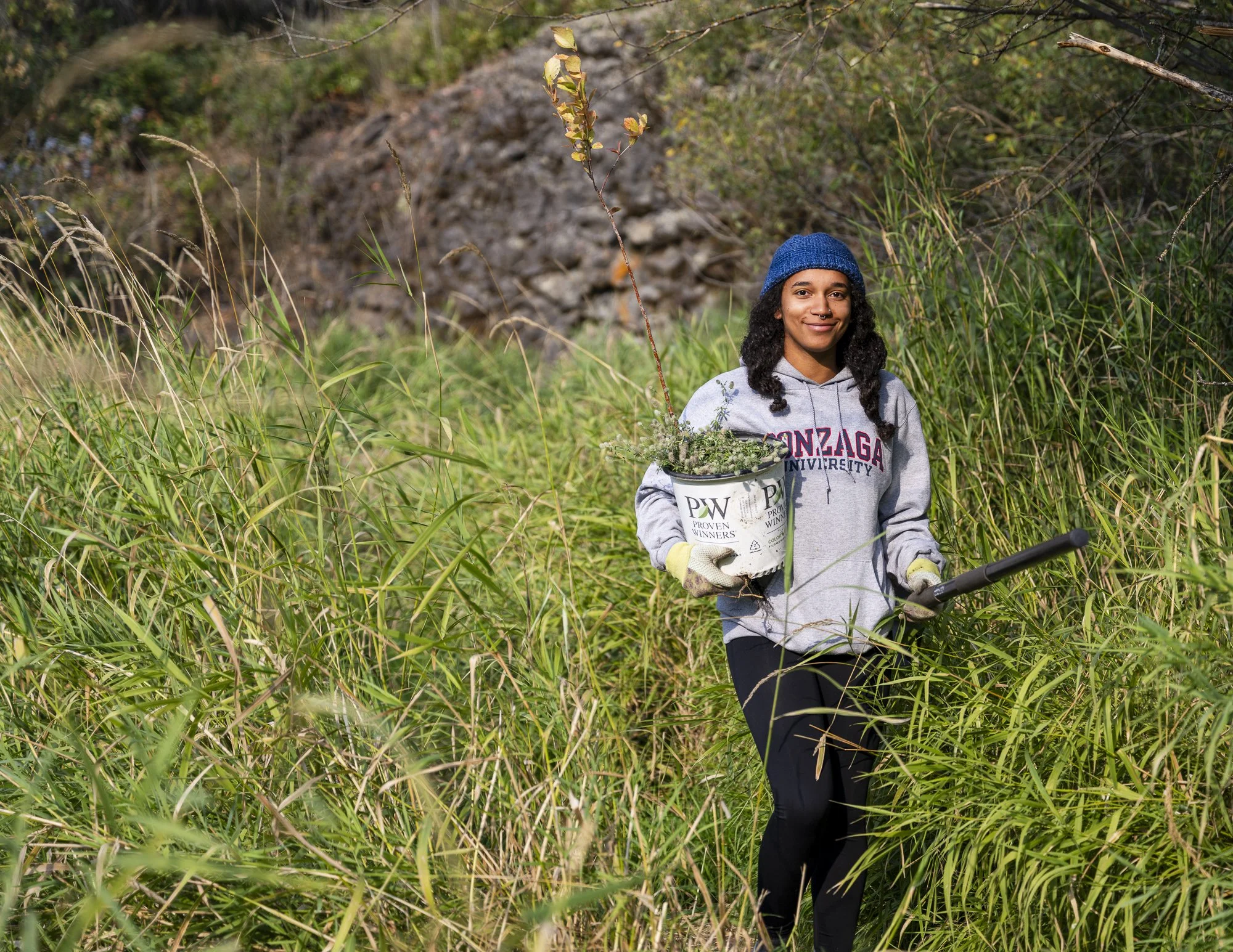
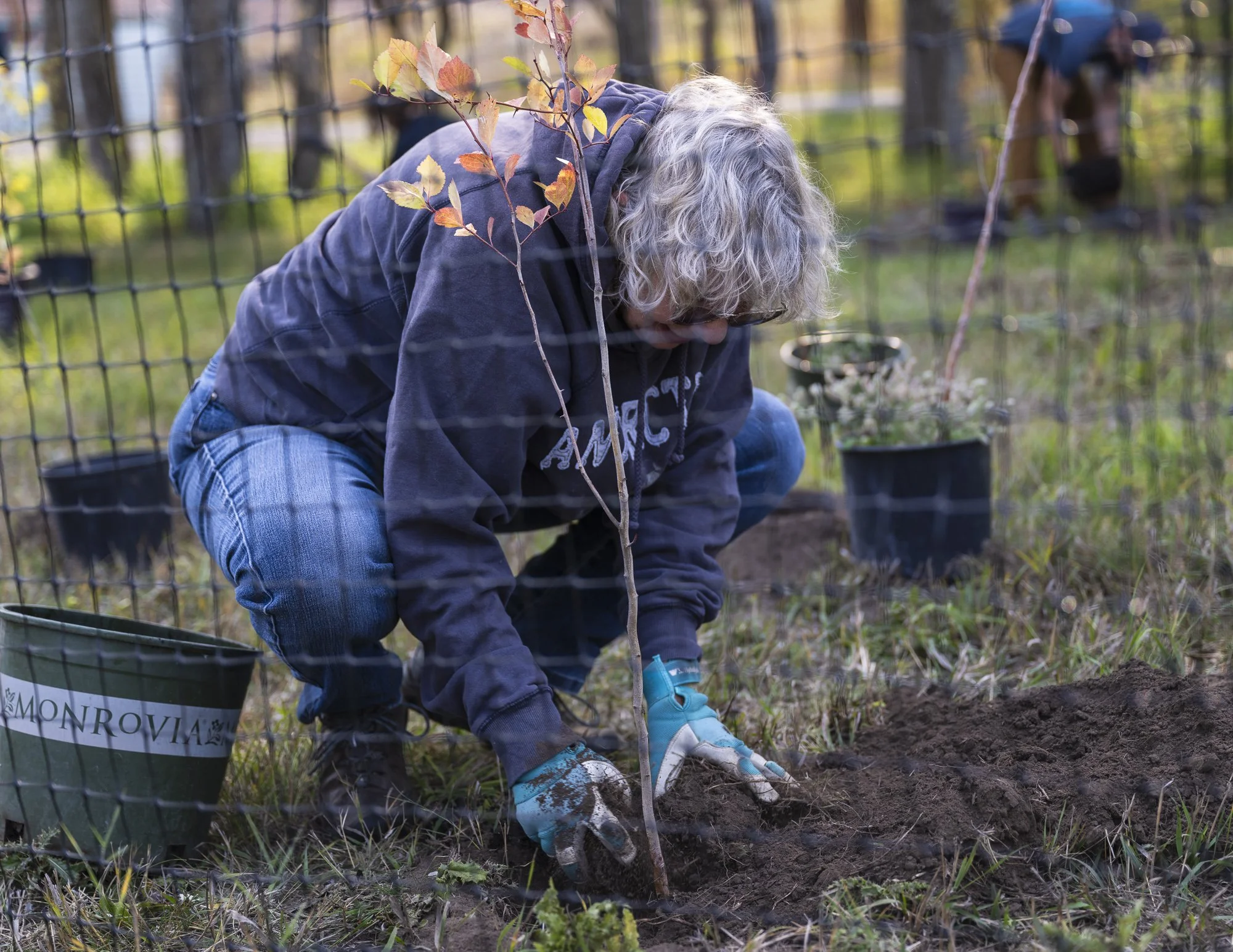
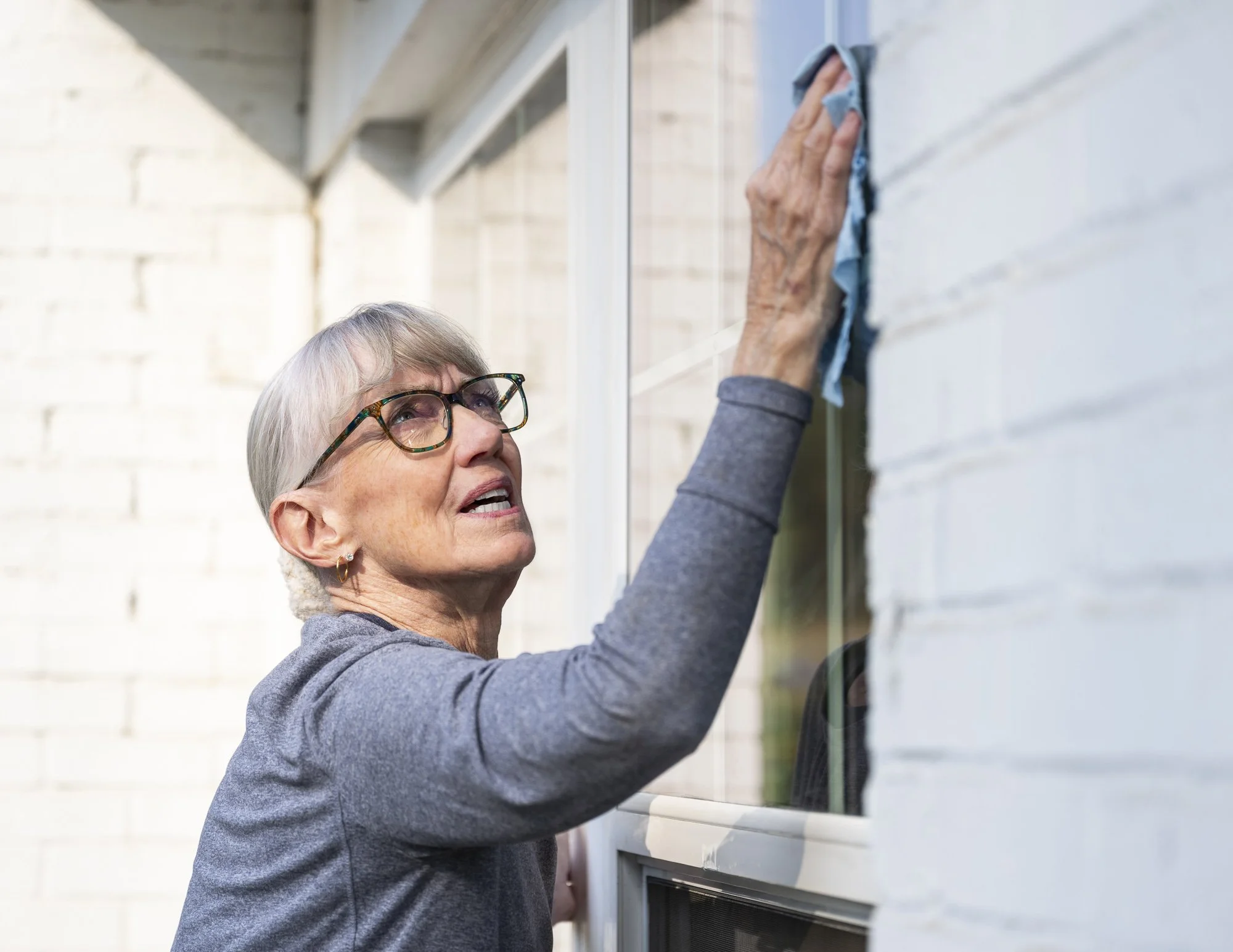
On a cool, partly sunny day in September, over 60 volunteers gathered on private land adjacent to the Little Spokane River to plant 351 native shrubs and trees on approximately 3 acres of land, install deer exclusion fencing, and Feather Friendly window strike deterrents to vulnerable windows. The project was a true collaborative effort with Spokane Audubon partnering the Lands Council on their established watershed restoration program to create habitat for resident and migratory birds. The watersheds in the greater Spokane area are degraded due to a variety of past and present land uses and oftentimes the water in the rivers does not meet temperature, dissolved oxygen, and other standards necessary to support healthy populations of fish, invertebrates, and therefore birds. Most of the land adjacent to the Little Spokane River is privately owned, making partnerships with these private landowners a critical part of restoring both water quality and bird habitat to the area. Further supporting the collaborative nature of this project, we were joined by volunteers from local conservation groups such as Pheasants Forever and the Gonzaga Environmental Science club. The US Fish and Wildlife Service provided invaluable support during the preparation phase of the project and also of the trees. It was a wonderful example of what a community can do when we work together towards the common goals of creating bird habitat, sequestering carbon, and improving water quality.
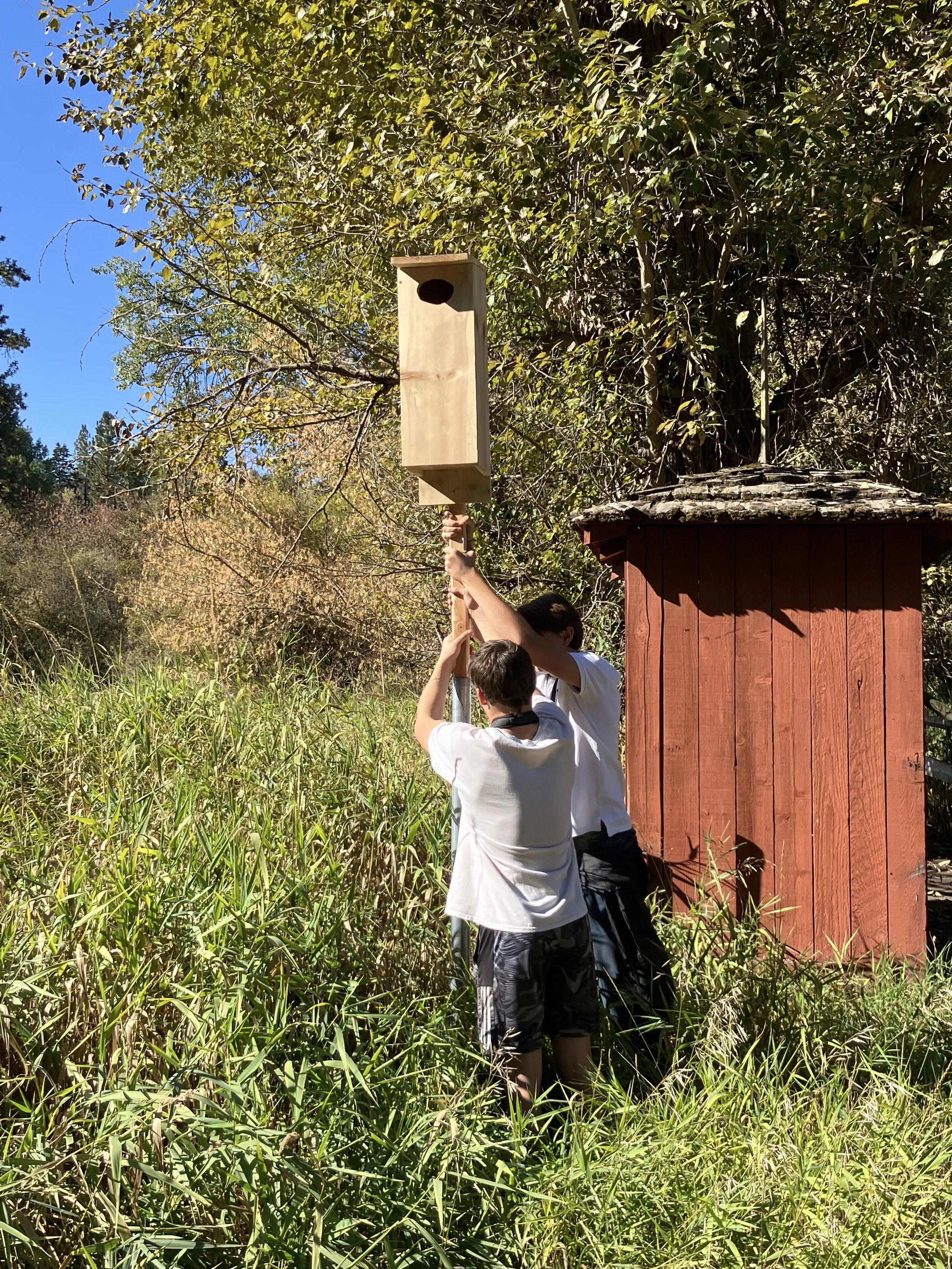
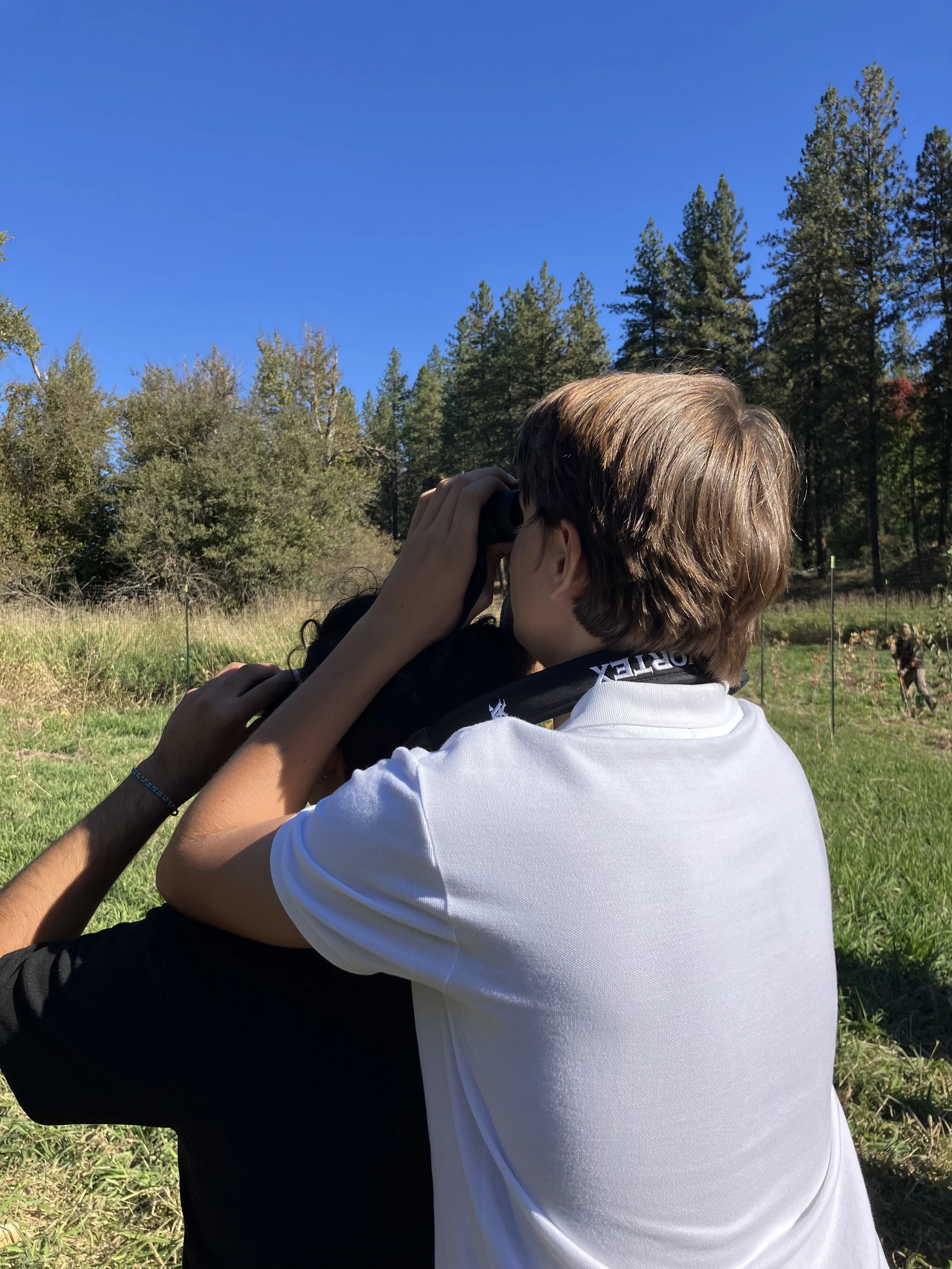
Phase 2 of the grants is to provide education on birds to local high school students. So far we’ve had 2 school groups with a total of about 25 students install nest boxes, learn about different types of bird habitats and needs, and explore using the Merlin app to identify birds.
We plan to continue the education portion of the project throughout this fall and work with the Lands Council next year on more restoration and youth education projects. Your continued support helps fund projects like this one! We are grateful for the financial support as well as to all the volunteers who spent their Saturday morning working to build community and habitat for birds!


