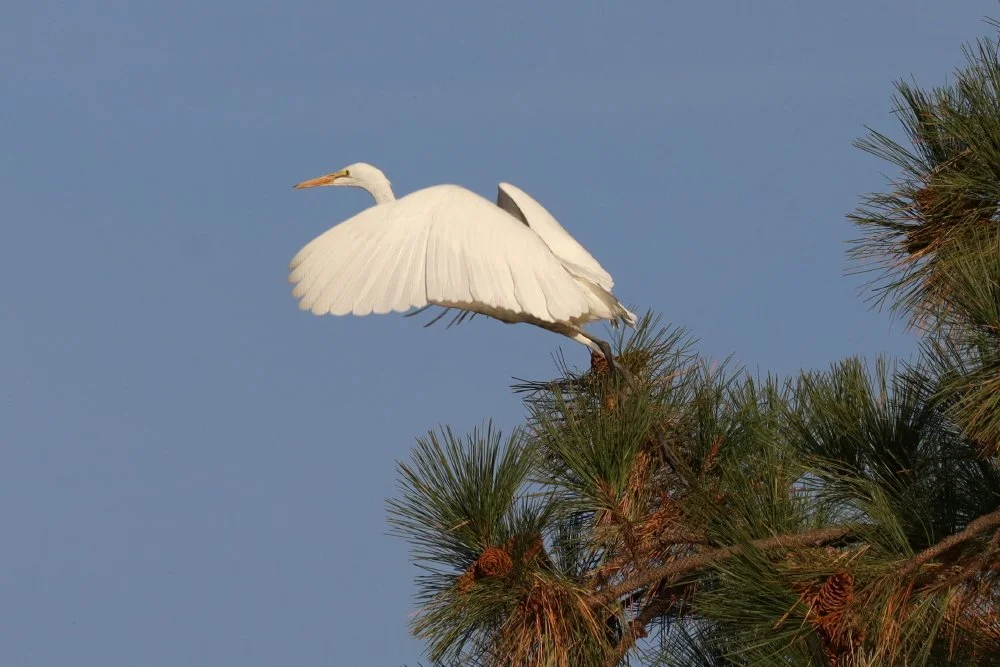
Why do birds migrate in the Fall?
They migrate primarily to find food, especially when their aquatic habitats freeze over in colder months. Migrating is a great way to escape harsh weather and find more temperate climates where the waterways remain open and the days are longer. Deciding just when to migrate is a combination of their internal biological rhythms, environmental changes (mainly how much daylight their brains perceive in a day), and the consensus of the flock (individual birds don't typically just fly off on their own!). Turnbull is an important stop for many species, offering wetlands for waterfowl and a variety of habitats and food sources for other migrating birds.
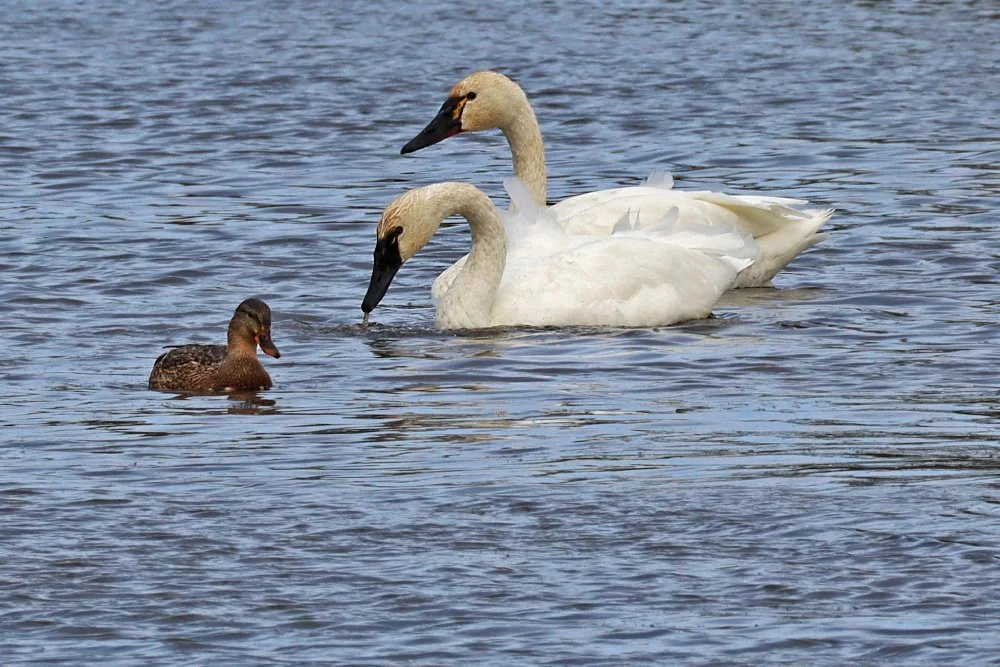
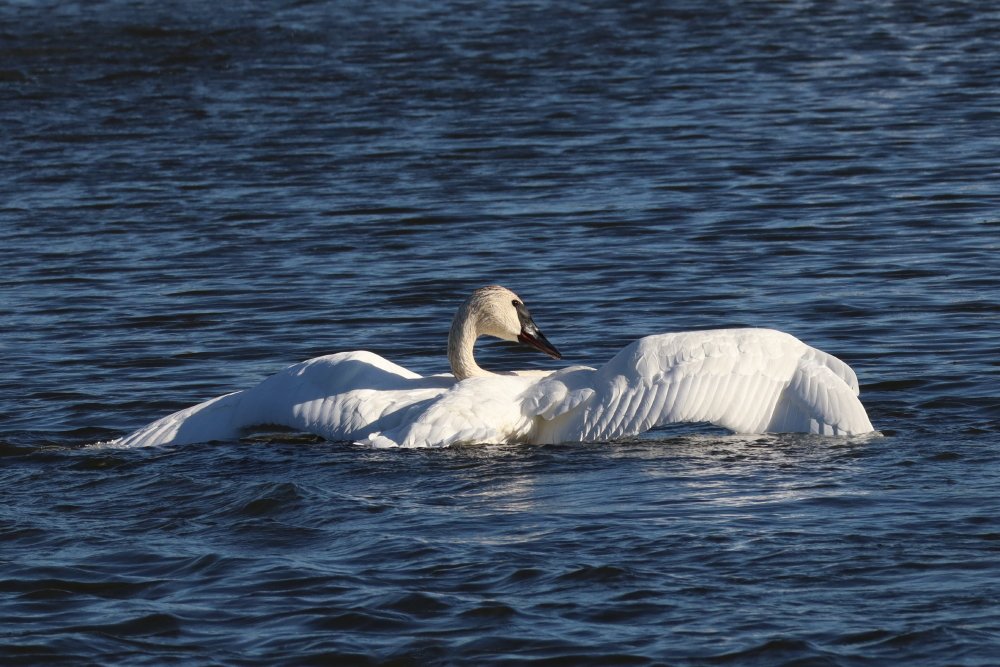
In mid-October as I walked by Winslow Pool, I saw a couple of Tundra Swans hanging out and eating. I could tell they were Tundra Swans - and not Trumpeters - because of their black bills with a yellow spot at the base in front of the eye. And they're noticeably smaller than Trumpeter Swans, weighing only 3-8 lbs with a wing span of 72-80 inches, where a Trumpeter Swan is bigger and heavier, weighing 21-30 lbs with a wing span of 84-96 inches. I have only seen Tundra Swans during migration. Trumpeter swans are easy to spot because of their red “lipstick” thin line on their lower bill.
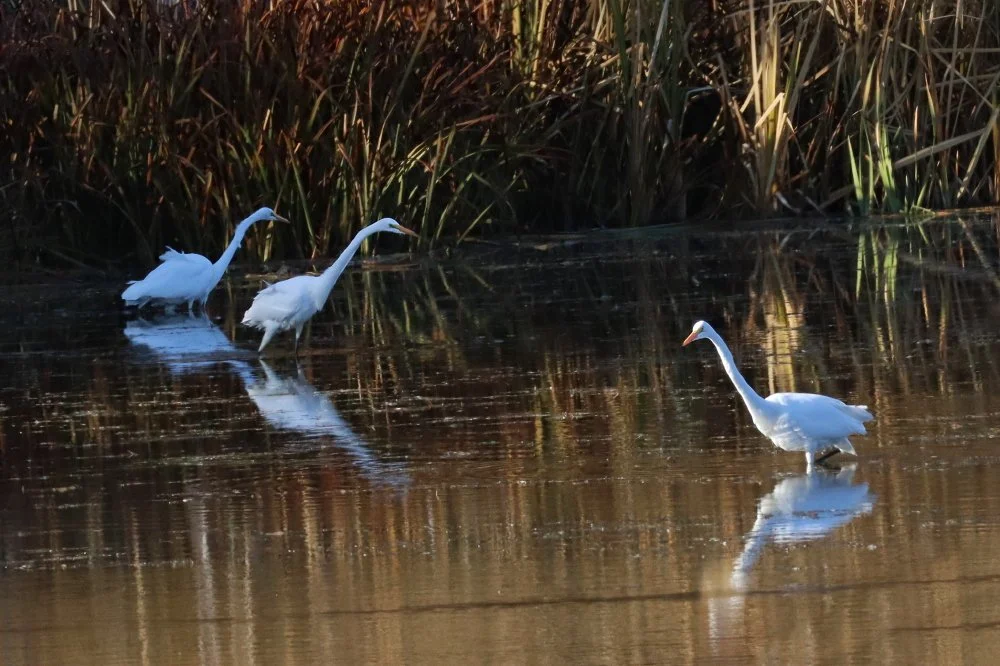
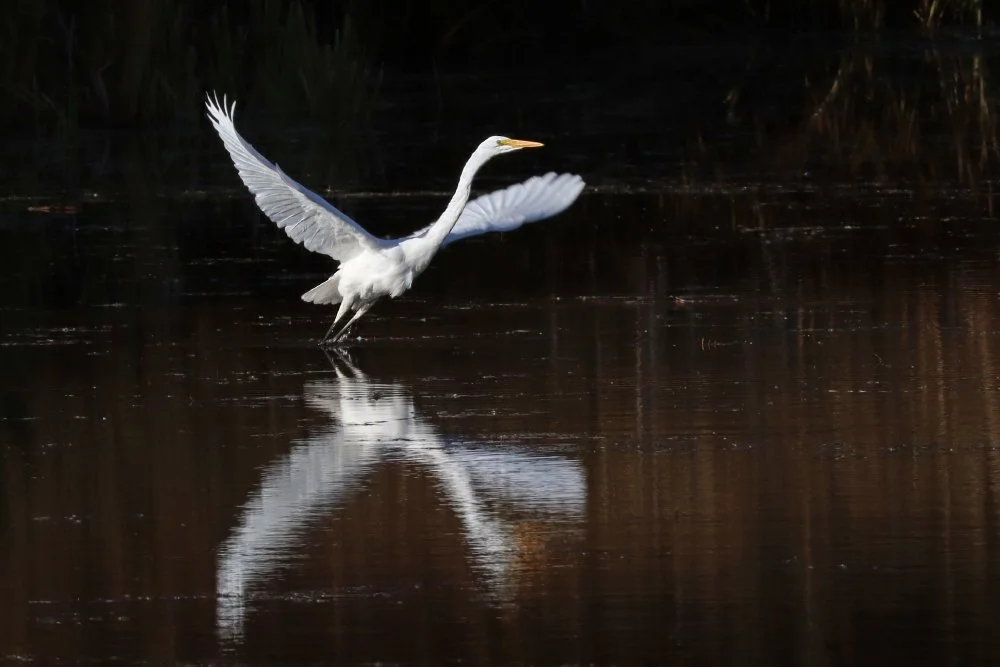
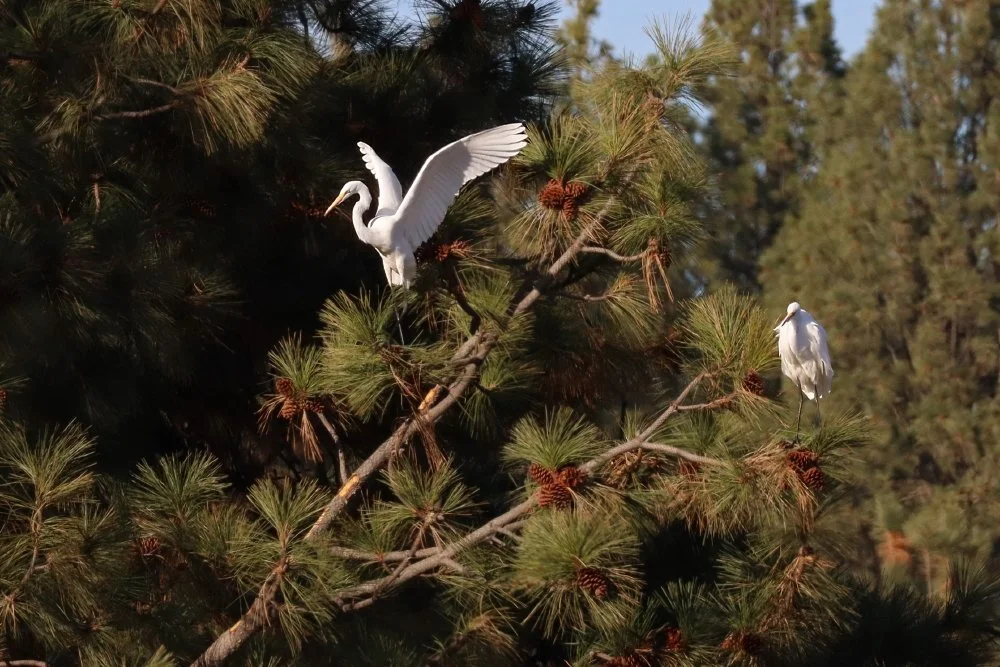
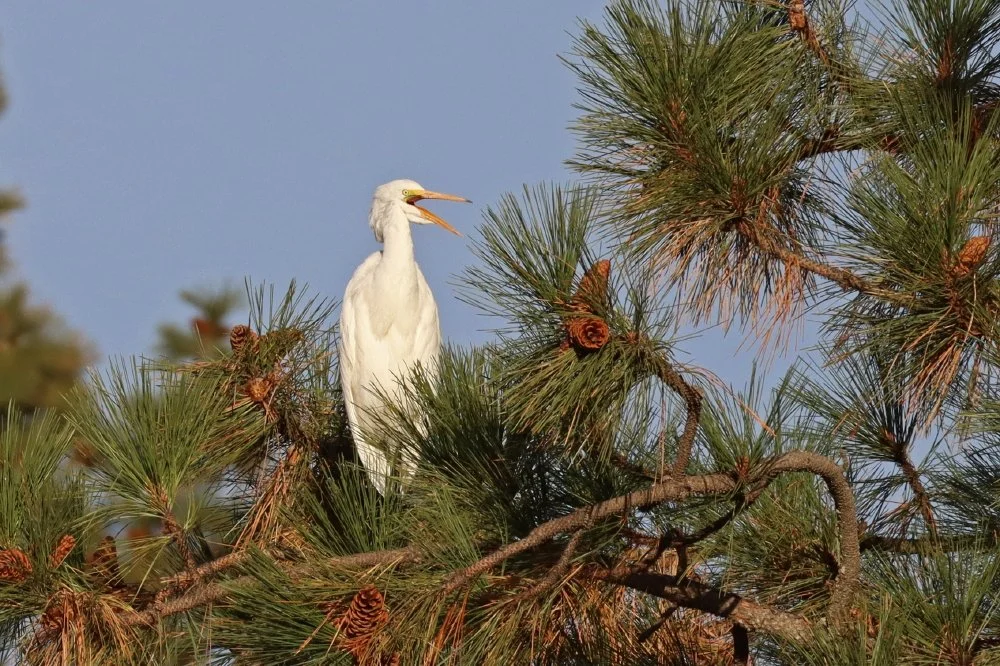
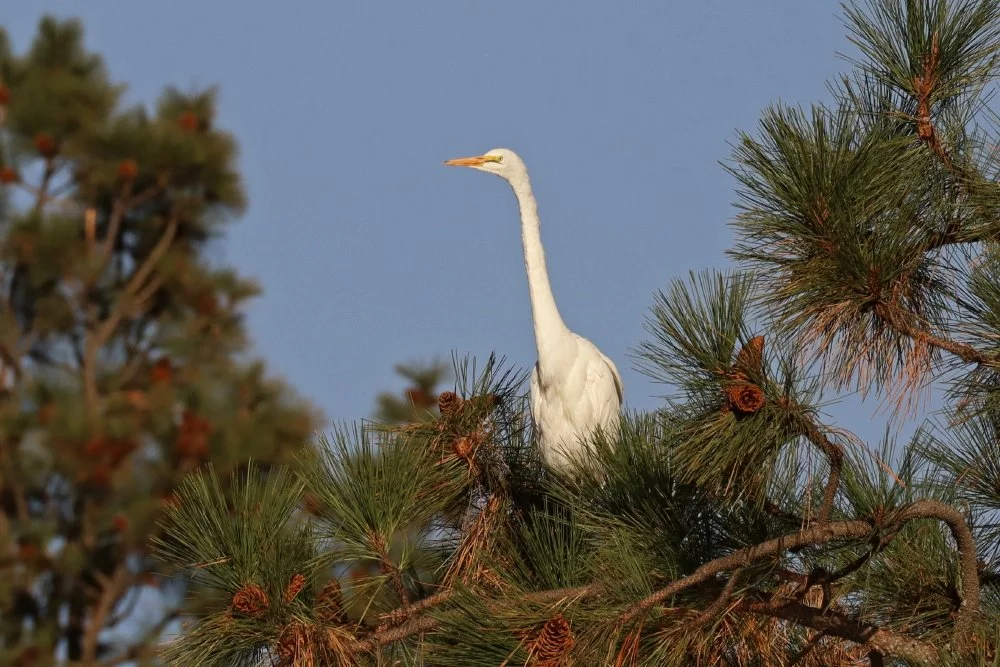
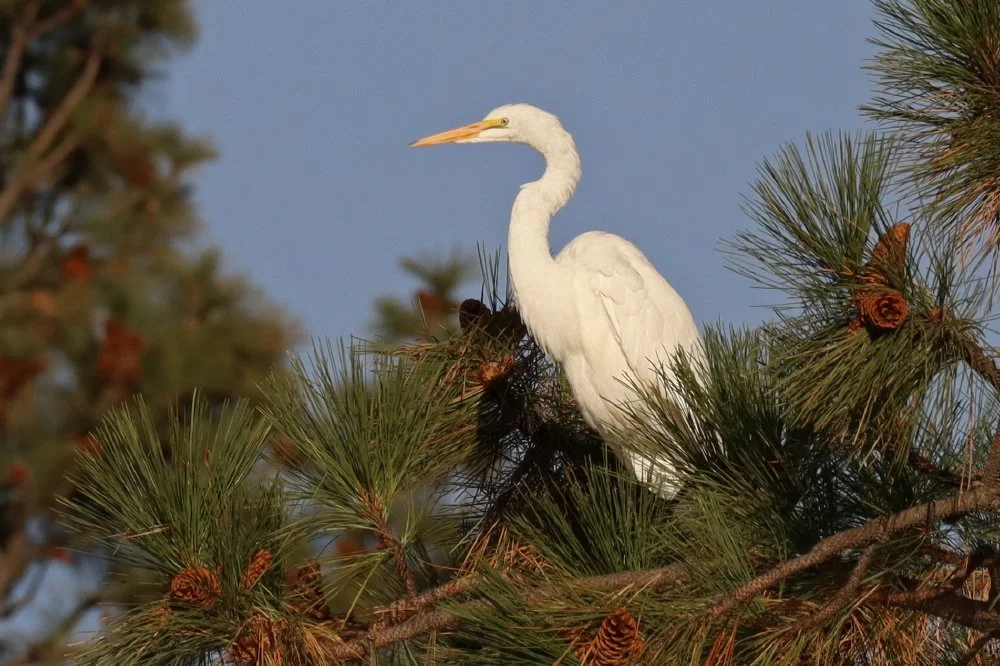
As I was walking around Middle Pine Lake, I spotted three VERY tall birds at the west end of the lake that were kind of shaped like Great Blue Herons but as I got closer to them, I could see that they were all white and I realized they had to be Great Egrets! They migrate through eastern Washington from Mid-September to mid-October and these three were at Turnbull that day! It was pretty cool to see them! They sure are tall, elegant and very starkly white. They do however have jet black legs and orangish-yellow bills. They were slowly wading through the water, looking for small fish that might pass by. Sometimes they stood completely still, waiting for the fish to come to them. When their prey swam close enough, they would strike lightning-fast with their long neck and bill-spear and then swallow the fish whole.
After they were done “fishing” they each flew up into the same tree in that was in the middle of the lake. It looked to me like they were resting and “chilling,” and sometimes they called to one another. One of them was on the other side of the tree, so maybe they were just checking on each other. Who knows… After a half hour or so they all flew off to continue their journey.
For me, it was a rare sight to see the Great Egrets. I would describe them as graceful, elegant, slender and tall.
Enjoy the beauty of nature!
Carlene Hardt